

A Silent Disease Where Prevention Is Key
Osteoporosis is a condition in which bones gradually weaken due to decreased bone mineral density. This decrease often happens without obvious symptoms, so many people only discover they have osteoporosis after a fracture—most often in the hip, spine, or wrist.
Preventive care, osteoporosis screening, and fracture risk assessment are important for people at risk to maintain mobility and quality of life.
Bone Density: What Is It and Why Does It Matter?
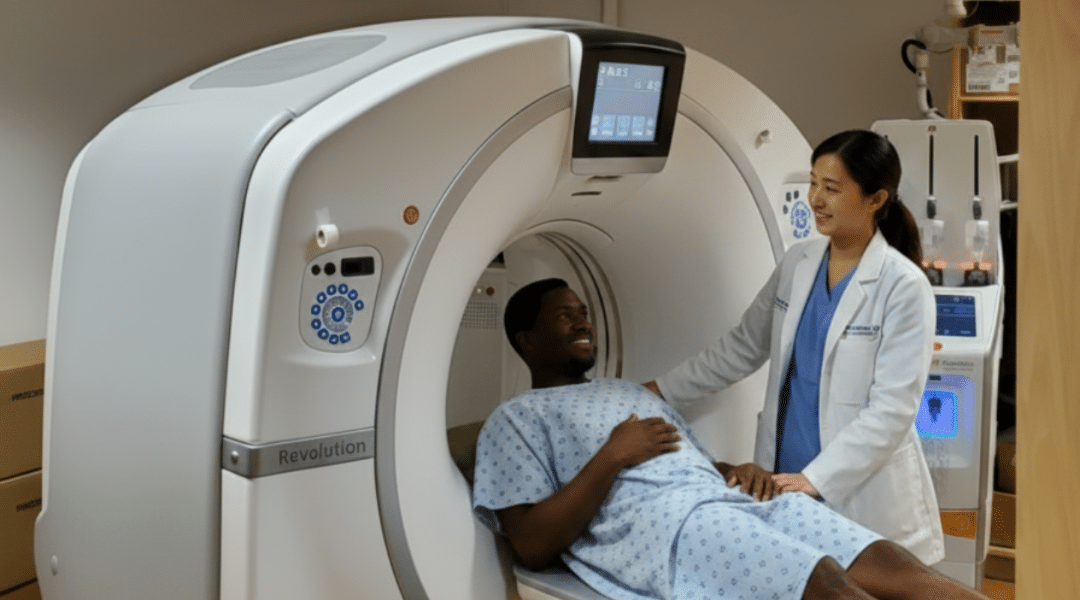
Bone density measures the amount of minerals contained in your bones. It’s evaluated with a medical imaging test called bone densitometry (DEXA), which measures bone mineral density (BMD). This test is generally safe, painless, and quick.
Bone densitometry, by measuring density, can help to:
-
detect bone loss before complications develop,
-
estimate your future risk of fracture,
-
help the doctor guide recommendations or management based on your clinical situation.
When Should You Consider Screening?
In Canada, recommendations for bone density assessment are based on age and certain clinical risk factors.
Common screening criteria:
-
All women and men age 70 or older
-
Postmenopausal women and men ages 65 to 69 with at least one fracture risk factor
-
Adults 50 to 64 who have had a fragility fracture or have two or more clinical risk factors
-
Adults under 50 with medical conditions linked to low bone mass or spontaneous fractures
Factors That Raise Your Risk of Osteoporosis
Multiple factors can affect bone health, such as:
-
Age
-
History of fractures after age 50
-
Certain medical conditions like untreated hyperthyroidism or chronic inflammatory diseases
-
Long-term use of certain medications, such as corticosteroids
-
Lifestyle: low calcium or vitamin D intake, physical inactivity, smoking, or excessive alcohol use
Prevention: Strengthen Your Bones Starting Now
Proper nutrition, regular physical activity, and reducing modifiable risk factors all play an important role.
Medical Follow-Up: An Appointment That Can Make a Difference
After a bone density test, discuss your results with a healthcare professional, understand your personal fracture risk, and set up a prevention or treatment plan if needed.
How often you need follow-up testing depends on your situation. In some cases, a new bone density evaluation may be recommended every 2 to 3 years.
If a healthcare provider has recommended a bone densitometry (bone density) test, you can book your appointment here.
Sources:
Osteoporosis Canada
Health Canada
INESSS
CHU de Québec