Move without getting hurt: tips for an incident-free day
Moving is a major life milestone that brings excitement and a fresh start. However, behind the logistics of boxes and trucks lies a demanding physical reality. The repetitive motions, heavy lifting, and awkward postures involved in this intense day are major risk factors for the back, joints, and muscles. At Radiméd, it is not uncommon for patients to come in for imaging exams following significant physical exertion or an injury sustained during handling activities such as moving.
Understanding the risks inherent in a day like this makes it possible to adopt effective preventive strategies. Whether it is lower back pain, muscle tears, or sprains, caution is essential. In this article, we explore how to minimize these risks so that your move remains a positive memory rather than a painful experience.
Common physical risks associated with moving
Moving places unusual strain on the body. Without proper preparation, several types of injuries can occur, ranging from temporary discomfort to conditions requiring more in-depth medical imaging.
- Back injuries: The lower back, or lumbar region, is the most vulnerable. Lifting poorly positioned boxes can increase the risk of back injuries, including muscle strain or, in some cases, disc problems.
- Sprains and strains: Sudden changes in direction or slipping on the floor can cause injuries to the ankles or knees.
- Shoulder and arm injuries: Carrying heavy objects at arm’s length puts excessive stress on the joints of the upper limbs.
- Cumulative fatigue: As the day goes on, alertness decreases. This is often when awkward movements happen.
Preventing injuries: the golden rules
Preparation is your best ally against injuries. A few simple adjustments to your lifting technique can make all the difference.
Safe lifting technique
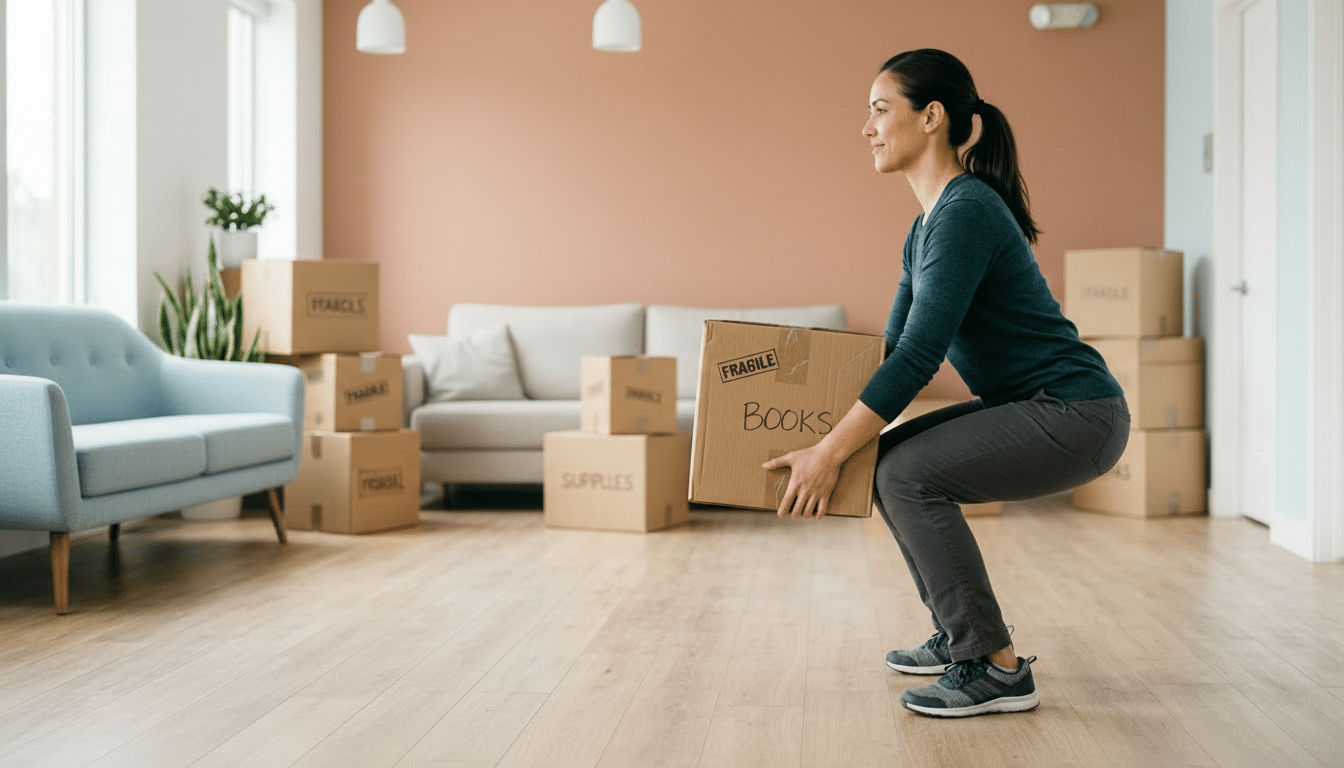
Never lift a heavy object by bending forward. The rule is simple: always bend your knees, keep your back straight, and hold the object as close to your body as possible. Ideally, the effort should be borne mainly by your legs in order to reduce the strain placed on your back. Engage your abdominal muscles to stabilize your spine during the effort.
The importance of proper equipment
Do not try to carry everything by hand. Using lifting straps for large appliances, a hand truck, or a dolly helps distribute the weight and reduce stress on your joints. Also invest in protective gloves for a better grip, which helps limit the risk of dropping objects on your feet.
Organizing your move wisely
The contents and organization of your boxes play a crucial role in your physical safety.
- Distribute the weight: Do not put all your books in a single large box. Use smaller containers for heavy items and alternate them with lighter articles.
- Label the boxes: Clearly indicate the weight and contents to avoid unpleasant surprises when lifting.
- Keep walkways clear: A cluttered environment is conducive to falls. Keep hallways and stairs free of obstacles before you start carrying things.
- Take frequent breaks: Fatigue is the enemy of safety. Give yourself time to recover, stay hydrated, and do gentle stretches to relax your muscles.
When should you consult a healthcare professional?
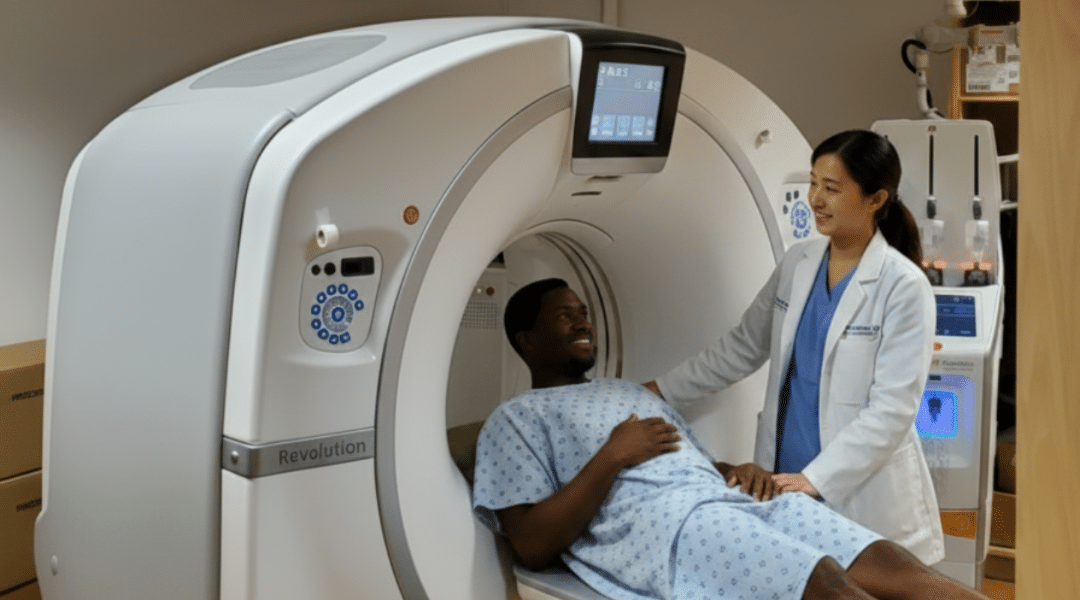
Despite every precaution, incidents can happen. If you feel sharp or persistent pain, or if an area shows unusual swelling after exertion, it is recommended that you seek medical advice. In some cases, your healthcare professional may prescribe medical imaging, such as an X-ray, ultrasound, or MRI, to assess the extent of the affected tissues or the presence of structural injuries.
Medical imaging can help evaluate certain injuries and assist healthcare professionals in determining the most appropriate course of care. At Radimed, we perform a variety of diagnostic imaging examinations to support this assessment. Prompt consultation with a healthcare professional may also help reduce the risk of an injury worsening.
Conclusion
Moving is a demanding physical challenge that requires as much preparation as caution. By using proper lifting techniques, suitable tools, and listening to your body’s signals, you give yourself the best possible chance of avoiding unnecessary injuries. Remember that your health is your most valuable asset. However, if you experience unusual pain after your efforts, do not wait for the situation to get worse. Consult a doctor to obtain professional advice. Need a medical imaging exam prescribed by your doctor? Book your appointment at Radimed now to benefit from our diagnostic expertise.
Note: The information contained in this article is for educational purposes only and should not be used as a substitute for professional medical advice.