
What is a shoulder MRI?
MRI is a non-invasive imaging test that uses a magnetic field and radio waves to create highly detailed images of the shoulder’s muscles, tendons, ligaments, cartilage, and bones.
Unlike an X-rays, it does not use ionizing radiation, making it a radiation-free imaging technique.
This exam can help identify abnormalities, injuries, or conditions that may affect shoulder function.
Why might a shoulder MRI recommended?
MRI with Contrast: When Is It Needed?
In some cases, the radiologist or referring physician may recommend an MRI with a gadolinium-based contrast agent.
There are two main types:
- Arthro-MRI: a small amount of diluted contrast is injected directly into the joint to better visualize internal structures—often used to evaluate the labrum or joint instability.
- Intravenous (IV) contrast: used in more specific situations, such as infection, tumor, or significant inflammation.
If contrast is required, the technologist or radiologist will explain the reasons and expected benefits. It is important to inform the team of any known allergies, especially to contrast agents, or any kidney problems, as these factors may influence the decision to use gadolinium.
This is done in accordance with the recommendations of Health Canada and the Canadian Association of Radiologists (CAR).
What to Expect During a Shoulder MRI
Before the exam
You’ll be asked to remove any metal objects. Inform the staff if you have a pacemaker, implant, or any previous surgery. Certain devices may require a specific MRI protocol.
During the exam
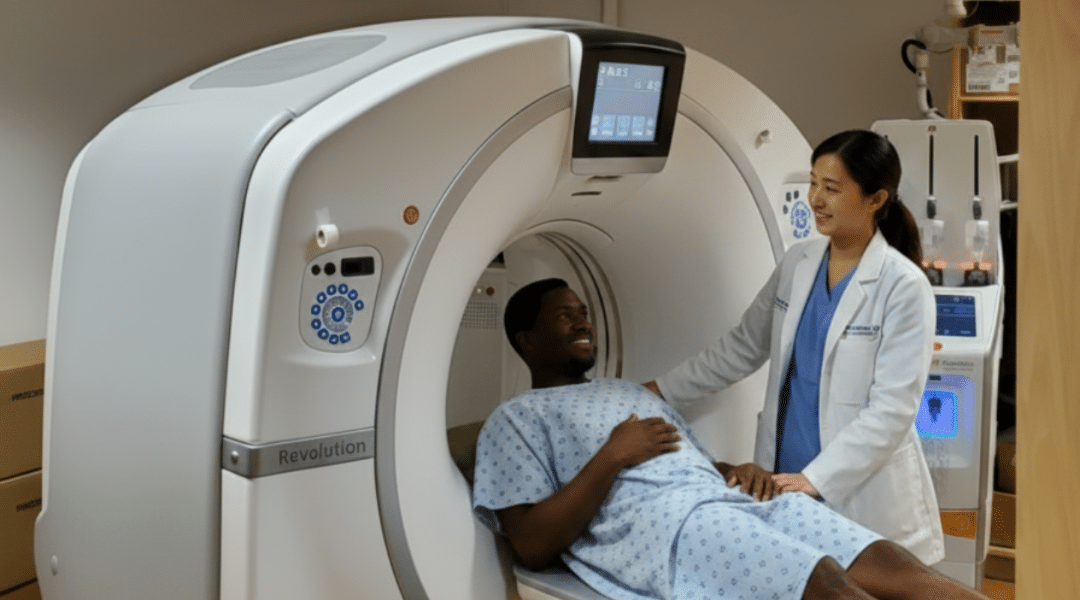
You’ll lie on the exam table, which slides gently into the scanner. The exam usually lasts 20 to 40 minutes, depending on the protocol.
It’s important to remain still during the imaging sequences to ensure clear images, but you’ll be able to breathe normally and stay comfortable throughout.
Earplugs or headphones are provided to reduce the sound of the machine.
After the exam
You can usually resume your usual activities shortly afterward. If you had an arthro-MRI, you might feel mild, temporary discomfort in your shoulder, and it’s best to avoid strenuous movements or exercise for a few hours after the procedure.
Advantages of Having Your Shoulder MRI at Radimed
At Radimed, we take pride in providing a high-quality medical imaging experience.
Our MRI clinics are located across the Greater Montreal area, offering easy access and expert care.
Choosing Radimed for your shoulder MRI means benefiting from:
- Advanced technology: high-resolution images for precise analysis
- Specialized radiologists: experts in musculoskeletal imaging
- Patient-focused care: compassionate team and clear explanations
- Timely results: minimized wait times for both appointments and reports
Our mission is to provide imaging services that combine accuracy, expertise, and a human approach.
Interpretation of Results and Medical Follow-Up
After your shoulder MRI, a radiologist carefully analyzes all the images and prepares a detailed report describing any observations or findings, including their location, size, and characteristics.
This report is then sent to your referring physician, who is best positioned to review the results with you.
Your doctor may use the MRI findings to confirm or refine a diagnosis, assess the extent of an injury, and plan a personalized treatment approach.
This plan may include:
- Conservative treatment (rest, physiotherapy, anti-inflammatory medication, or injections)
- Surgery, if required, particularly in cases of major tears
Regular follow-up helps monitor recovery and adjust treatment as needed.
Conclusion: Regain Comfort and Mobility
A shoulder MRI provides a detailed view of your joint, helping to better understand the source of your pain and guide the most appropriate treatment plan.
Book your appointment today and take the first step toward improved comfort and mobility, with the attentive support of our team.